What Is 2-Chloro-5-(Chloromethyl)Pyridine?
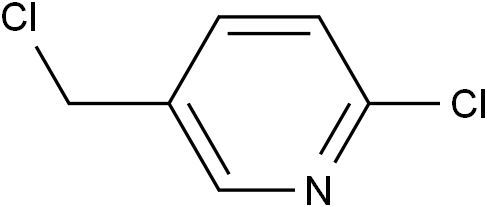
2-Chloro-5-(Chloromethyl)Pyridine is a pale-yellow liquid compound. It features a pyridine ring substituted with chlorine at the second position and a chloromethyl group at the fifth position. This compound has the molecular formula C6H5Cl2N.
It's widely used in organic synthesis, especially in the pharmaceutical and agrochemical industries.
Key Chemical Properties
Molecular Formula: C6H5Cl2N
Molecular Weight: 162.02 g/mol
Boiling Point: Approx. 220 °C
Density: ~1.31 g/cm³
Appearance: Pale-yellow to colorless liquid
Solubility: Slightly soluble in water; soluble in most organic solvents
This compound exhibits high reactivity due to the electron-withdrawing chlorine atoms on the pyridine ring. Its structure enables selective substitution and alkylation reactions.
Major Applications in Industry
1. Pharmaceutical Intermediate
2-Chloro-5-(Chloromethyl)Pyridine is used to synthesize active pharmaceutical ingredients (APIs). It serves as a key intermediate for anti-infectives and anti-cancer drugs.
2. Agrochemical Manufacturing
This compound is vital in herbicide and pesticide production. Its pyridine backbone is effective in disrupting pest activity and enhancing crop protection.
3. Fine Chemical Synthesis
It’s also used to create dyes, specialty chemicals, and resins. The compound’s reactivity allows for diverse transformations, ideal for custom chemical solutions.
Storage and Handling Precautions
Proper Storage
Store in a tightly sealed container
Keep in a cool, dry, and well-ventilated area
Avoid exposure to moisture and direct sunlight
Handling Guidelines
Always wear protective gloves, goggles, and a lab coat
Use only in well-ventilated areas
Avoid inhalation and direct skin contact
This compound can release toxic fumes when heated. Ensure all operations are carried out in fume hoods or controlled environments.
Safety and Toxicity Information
2-Chloro-5-(Chloromethyl)Pyridine is classified as harmful if swallowed or inhaled. It may cause skin and eye irritation. Prolonged exposure can affect the respiratory system and liver.
First Aid Measures
Inhalation: Move the person to fresh air immediately. Seek medical help.
Skin Contact: Wash with soap and water. Remove contaminated clothing.
Eye Contact: Rinse thoroughly with water for 15 minutes. Consult a physician.
Ingestion: Do not induce vomiting. Rinse mouth and get medical assistance.
Always refer to the Material Safety Data Sheet (MSDS) for detailed hazard and first-aid instructions.
Environmental Impact
This chemical is not readily biodegradable. Spills or improper disposal may harm aquatic life. Dispose of it through licensed chemical waste services to ensure environmental protection.
Why It Matters in Synthesis
Due to its dual electrophilic centers, it acts as a powerful building block in reactions. The chloromethyl group enables nucleophilic substitution, while the pyridine nitrogen supports complexation reactions. This dual reactivity enhances efficiency in multistep synthesis processes.
Conclusion
2-Chloro-5-(Chloromethyl)Pyridine remains an indispensable tool in modern organic chemistry. Its versatile nature, combined with effective reactivity, supports diverse industries from pharmaceuticals to crop protection. With proper handling, it offers significant value while ensuring safety and compliance.
For bulk inquiries or sourcing information, always consult certified chemical suppliers who provide COA and SDS documentation.
Huimeng Bio-tech, we work closely with your technical team to design customized agrochemical intermediates to precisely match your agricultural application needs, thereby achieving optimal performance and stable quality.
Comments
Post a Comment